

Káàbọ̀ Ilé
Is it really possible for a home to die? After a house's demolition, is its memory then erased? Or is it reborn elsewhere – pulled to exist in the stories and belongings that once animated it?
1a Taslim Elias Close, Fairwinds, or, 'The Main House' as it would come to be called, was our grandparents' home for over 50 years. Since the passing of our beloved grandfather on December 25th 2019, and especially in the last few years, living there became increasingly tasking and lonely for our grandma Ibudun, who made the reluctant decision to move last December.
Although our grandmother moving is something that we heard her and our parents float for some months, the reality of never being able to return to the physical space did not dawn on any of us until we were suddenly met with a demolition date from the new owners. Suddenly, the painting of the crying girl – which we spent our childhoods terrified of – was being taken down, my grandfather's globe bar was being asked to find a new home, and the carpets and wallpapers being ripped apart to reveal chipped paint jobs from early construction brought the house back down to its very skeleton.
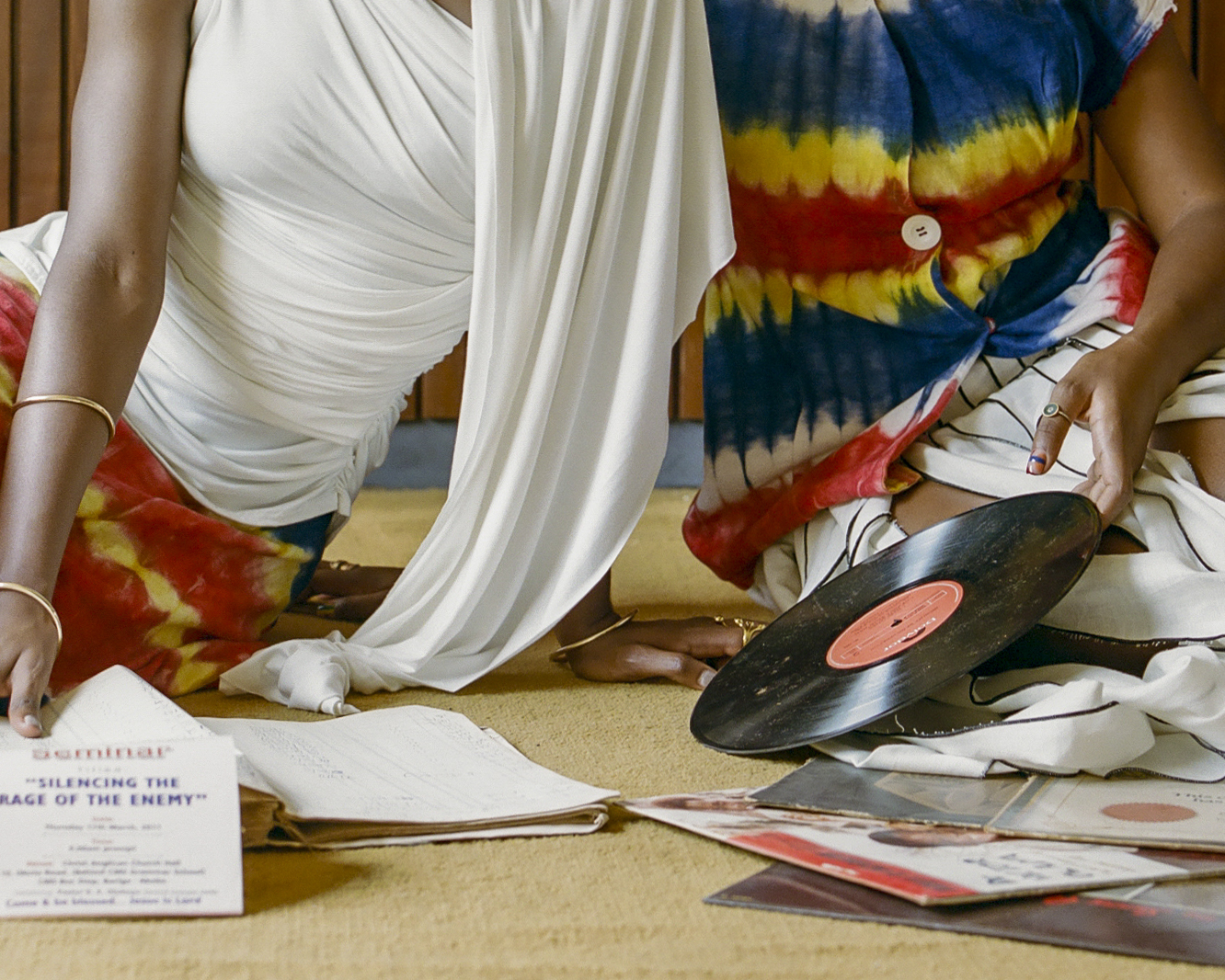
The entire process of packing Fairwinds away felt like a flickering time reel of a half-century of memories for our family. I found my parent's wedding invitation, a picture of Uncle Femi sporting a high-top I never knew he had, funerary pamphlets of family members I didn't have the privilege of knowing, and so many other trinkets, each of which triggered a memory of its own for our grandmother to share. We sat on her bedroom floor as she recounted stories of our fathers' childhoods, and packed up her kaleidoscopic collection of aso oke fabrics, which she used to sell in an upstairs room under her company Judytex.
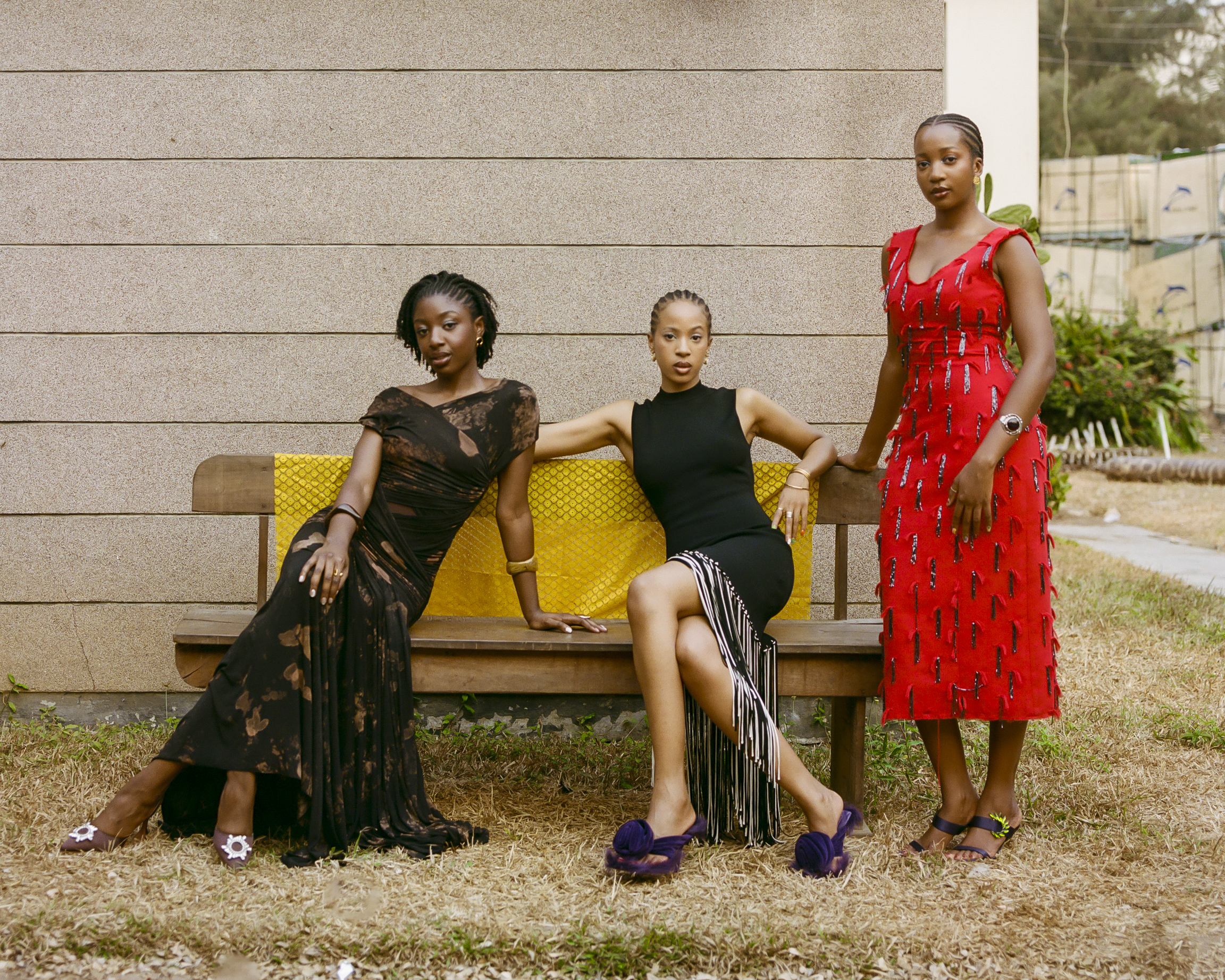
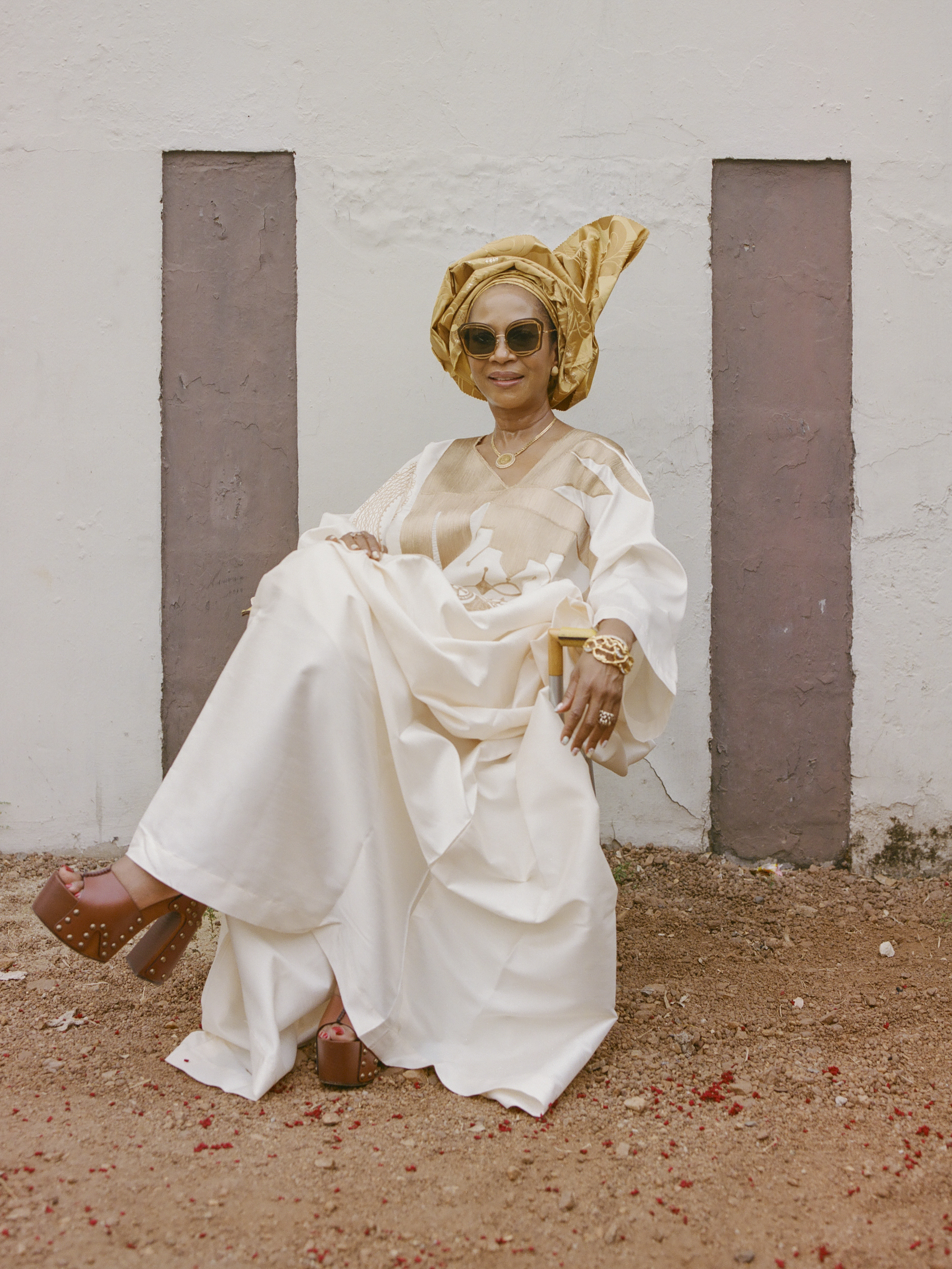
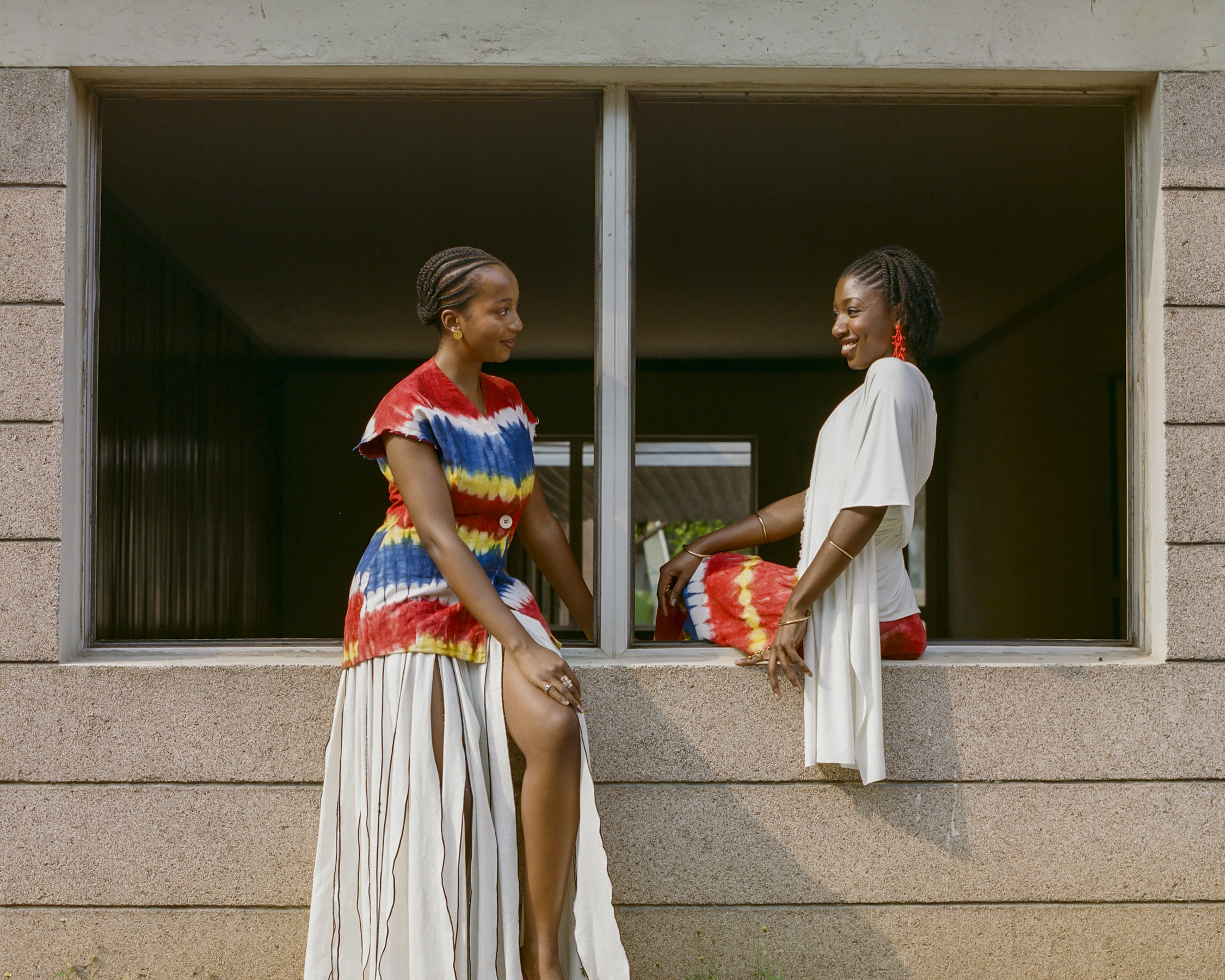
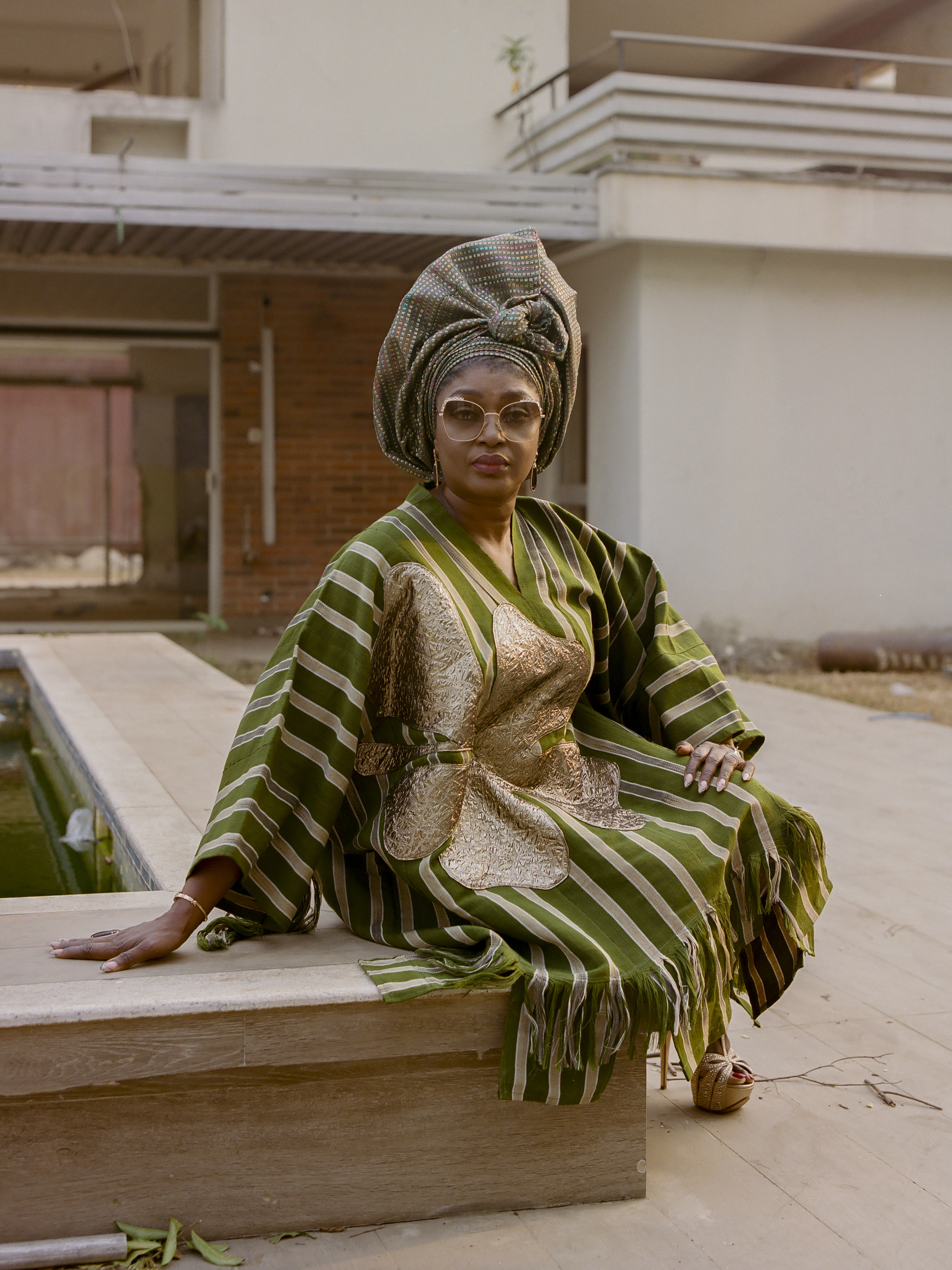
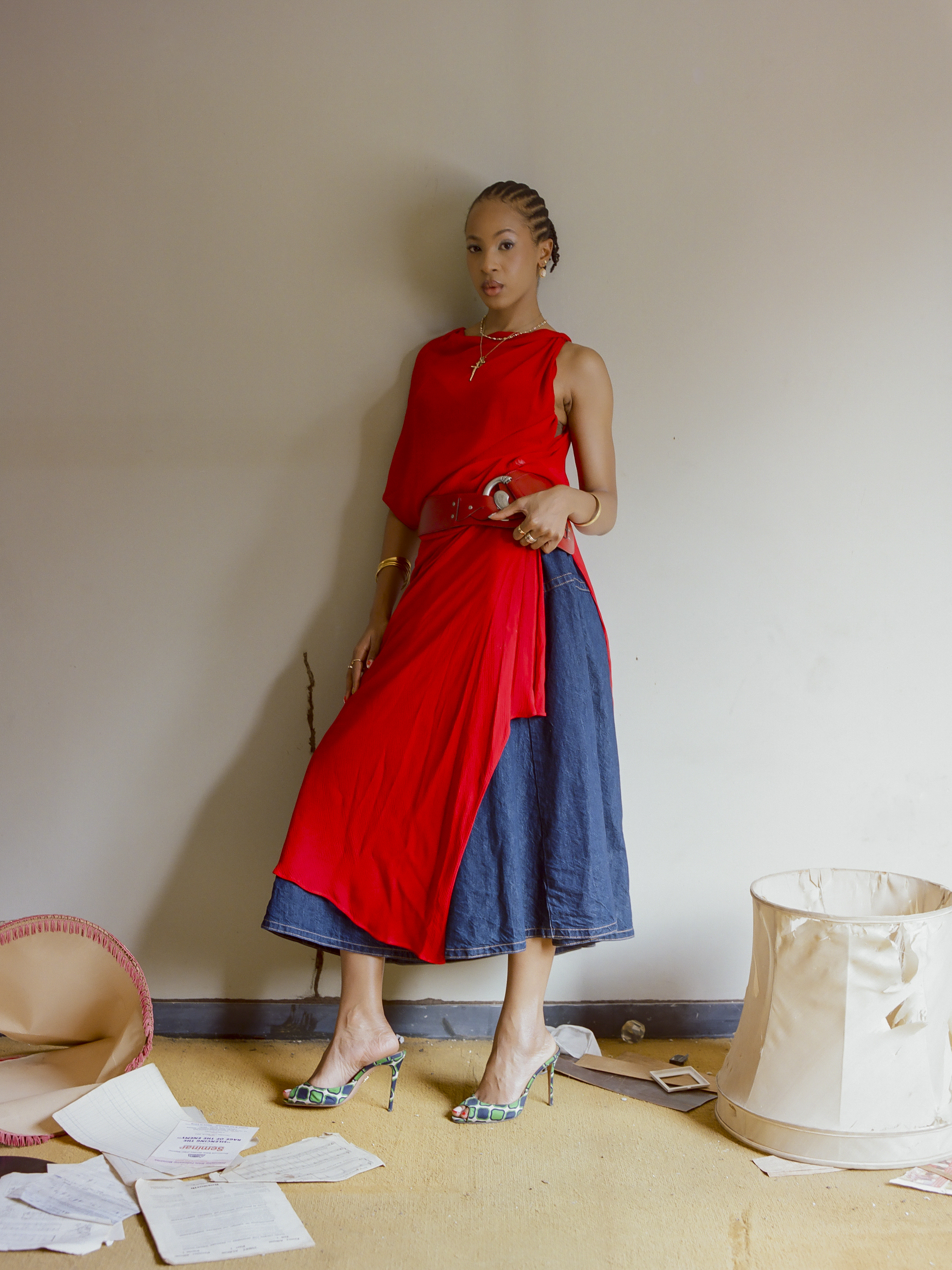
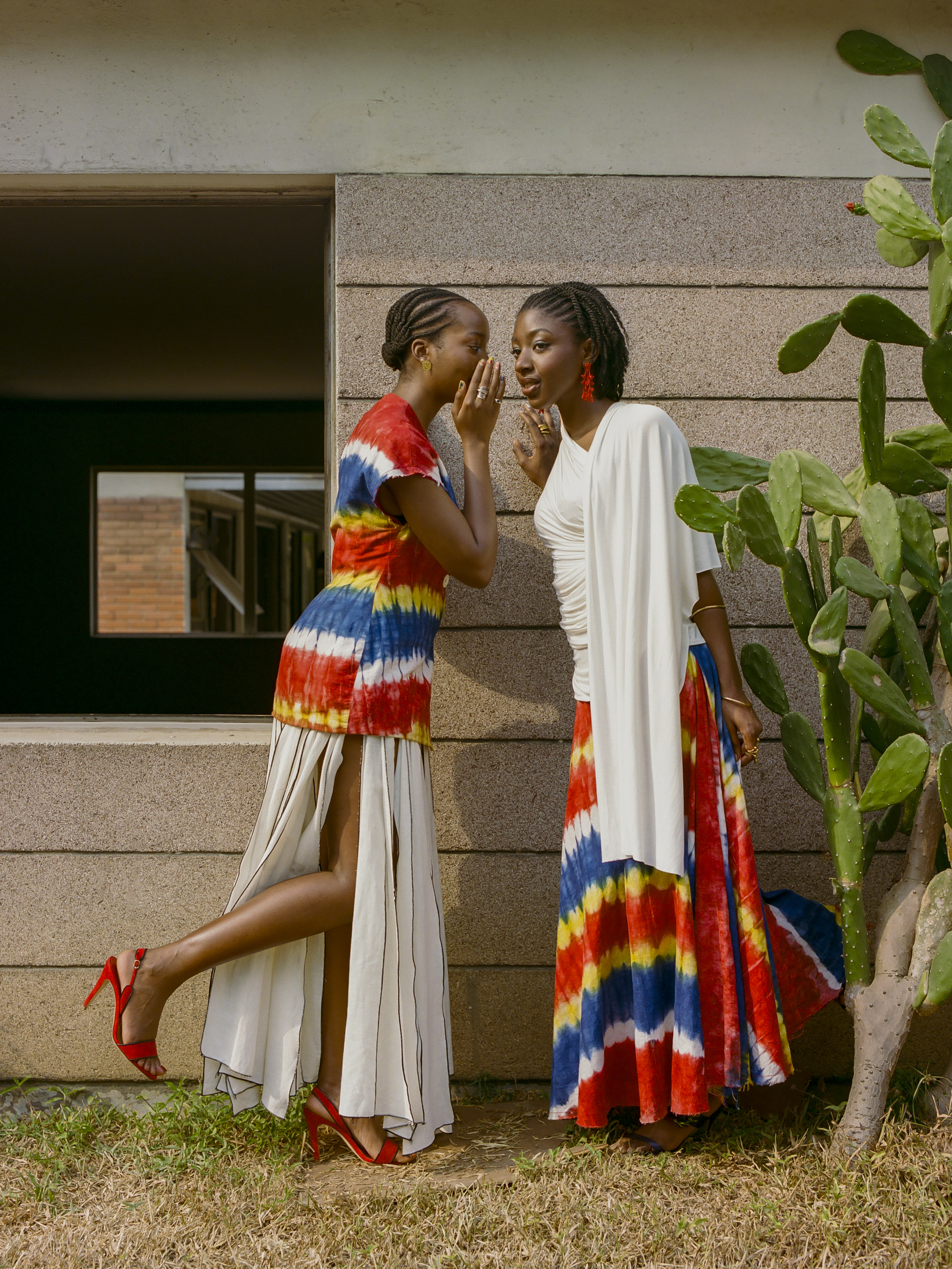
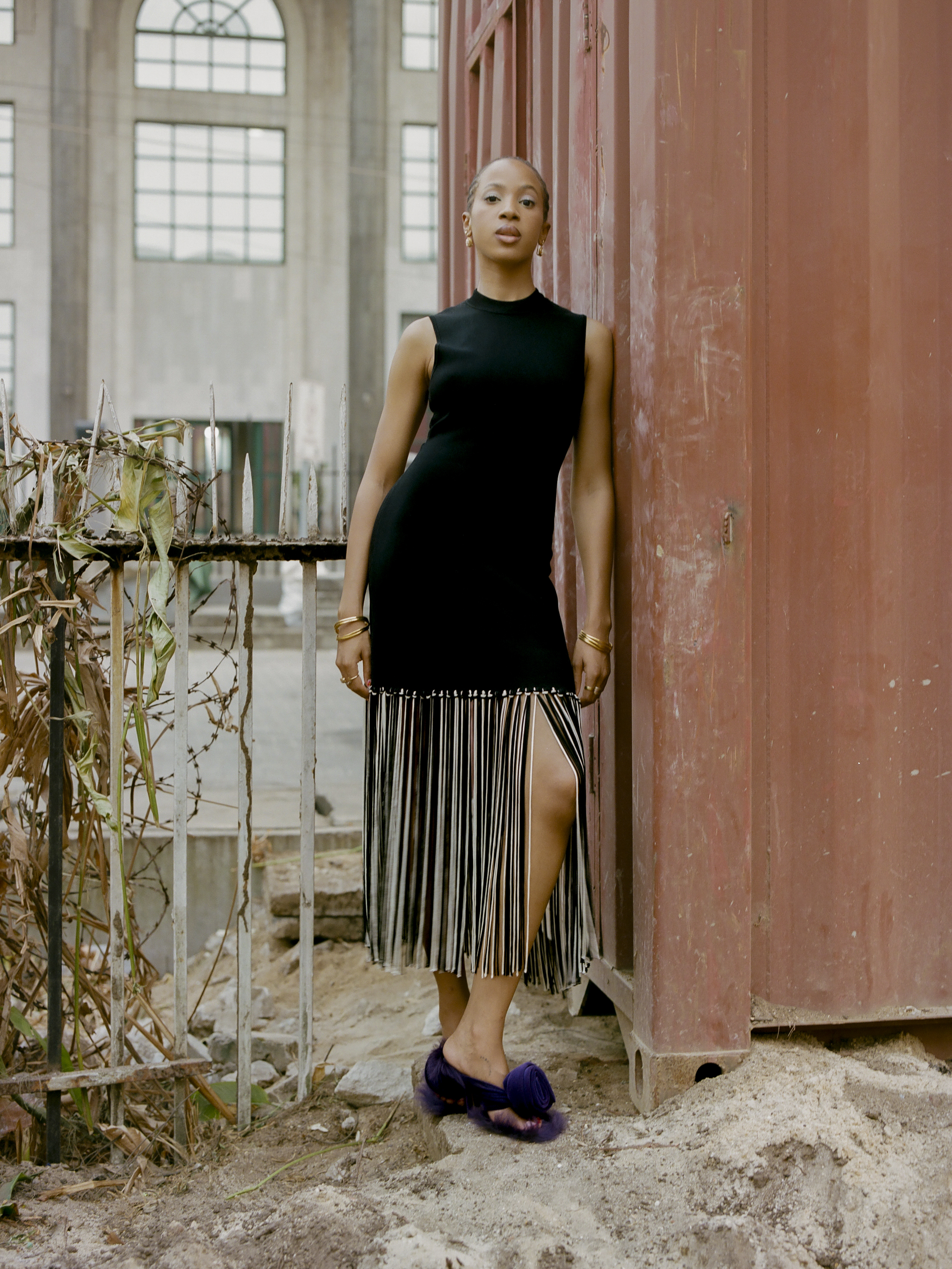
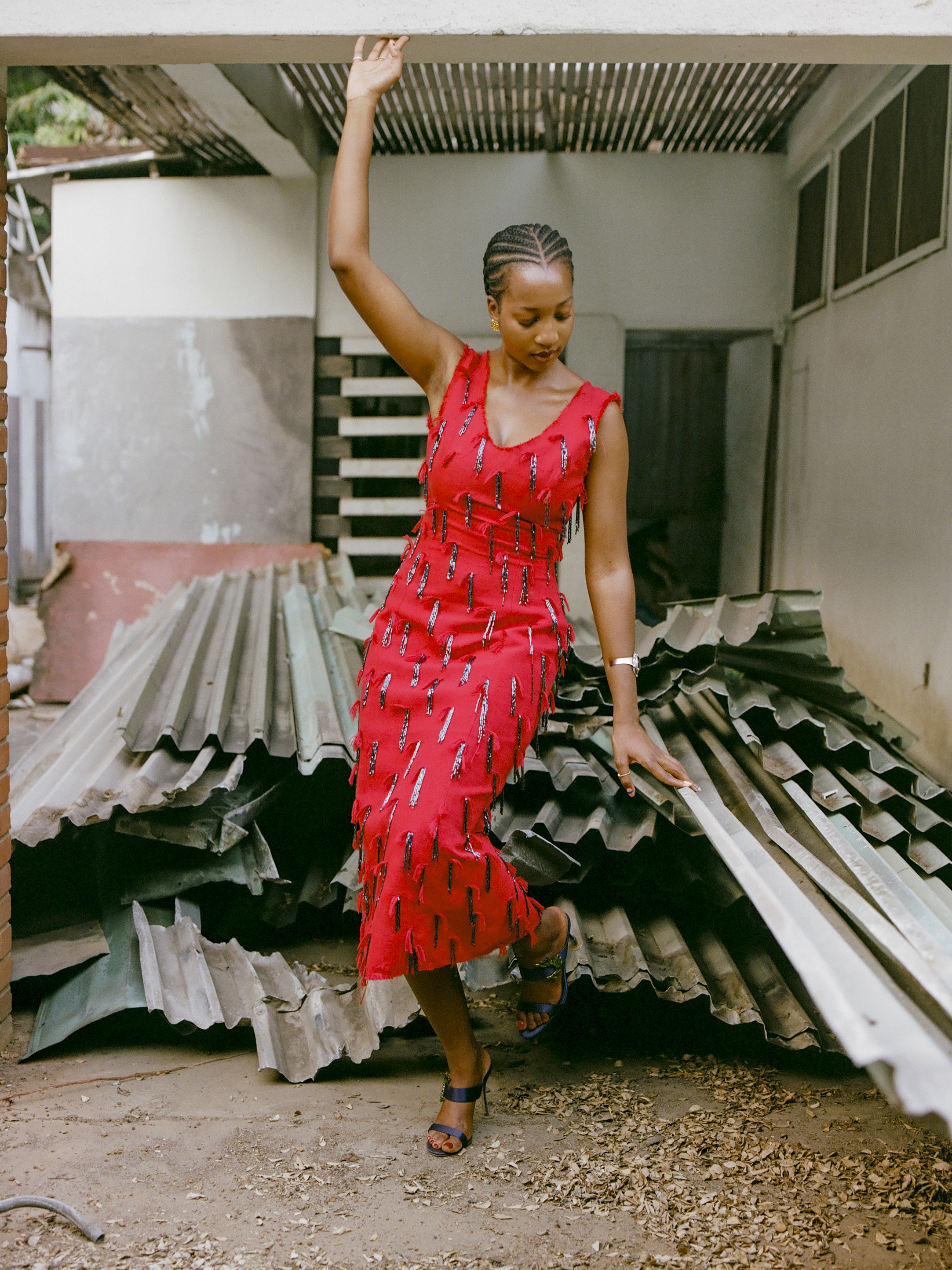
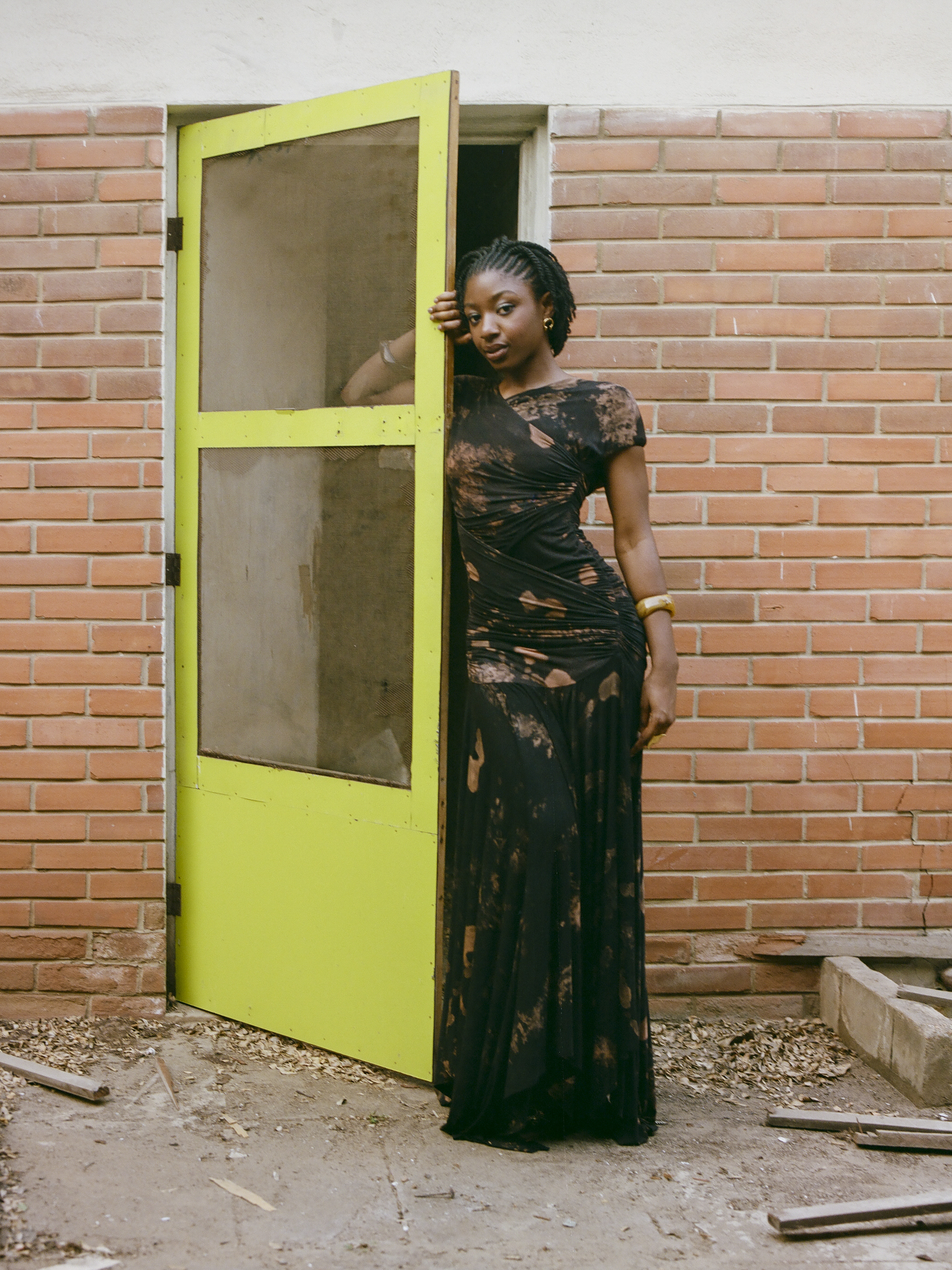
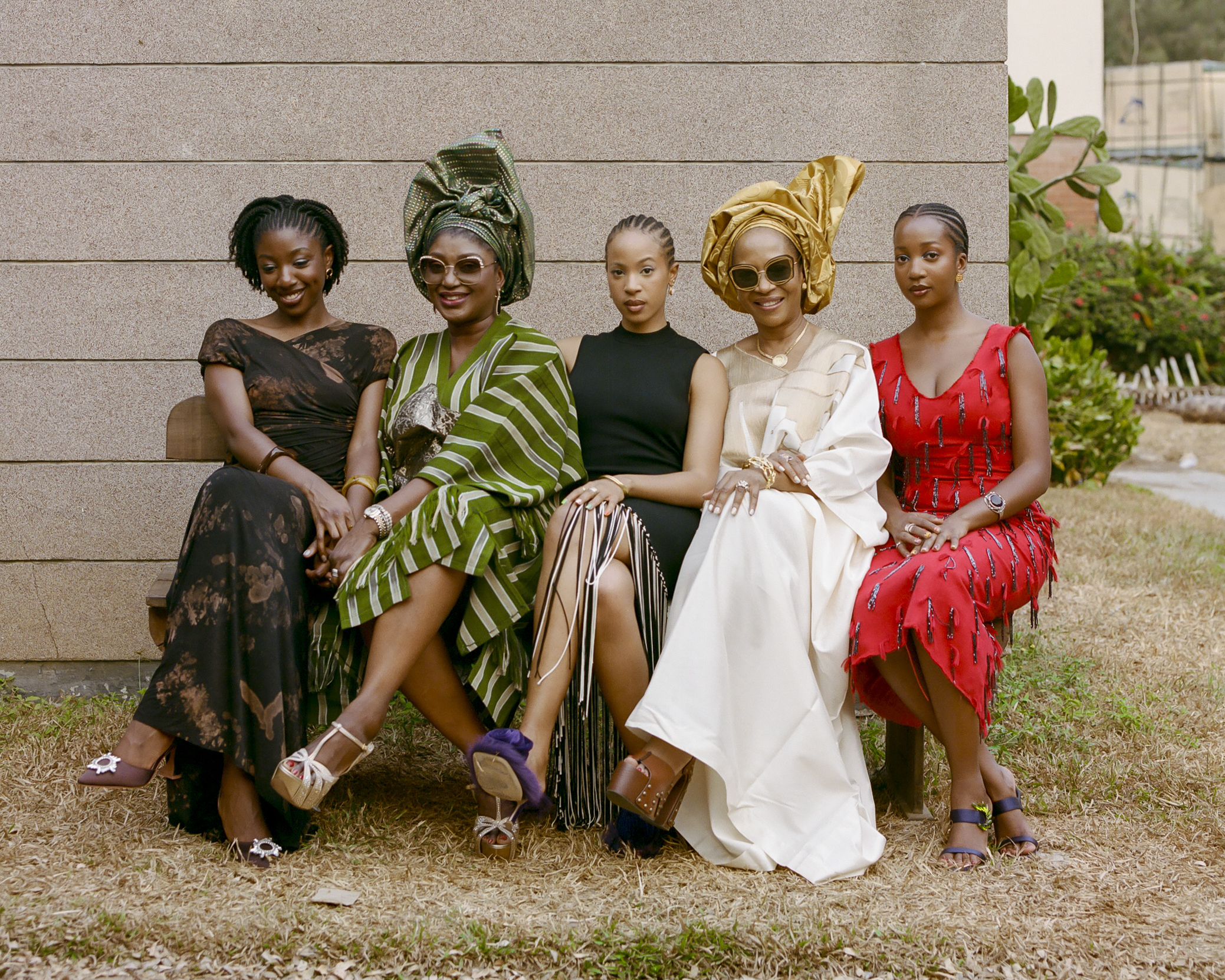
In an almost delayed reaction, the fact that this home, a beacon of Nigerian modernist architecture and repository of our lives would no longer be, became imminent. Memorialising Fairwinds in its current state, no matter what that was – half-packed, dusty, sunlight-streaked – became a matter of urgency for us. More than our reverence for the architecture, and long dream of having a 70s themed photoshoot in the inner formal living room, packing up the home affirmed and reminded us of the importance of documentation and the feelings that tactile materials of our lives can elicit. So in only a week, Temilola conceptualised the idea for Kaabo Ile: a fitting title for what was a melancholic welcome home for many of us. We put together mood boards, styled our outfits, and walked around every corner of the house, into rooms we hadn't been in in years, and admired the house for what it was and all that it had provided us as a family.
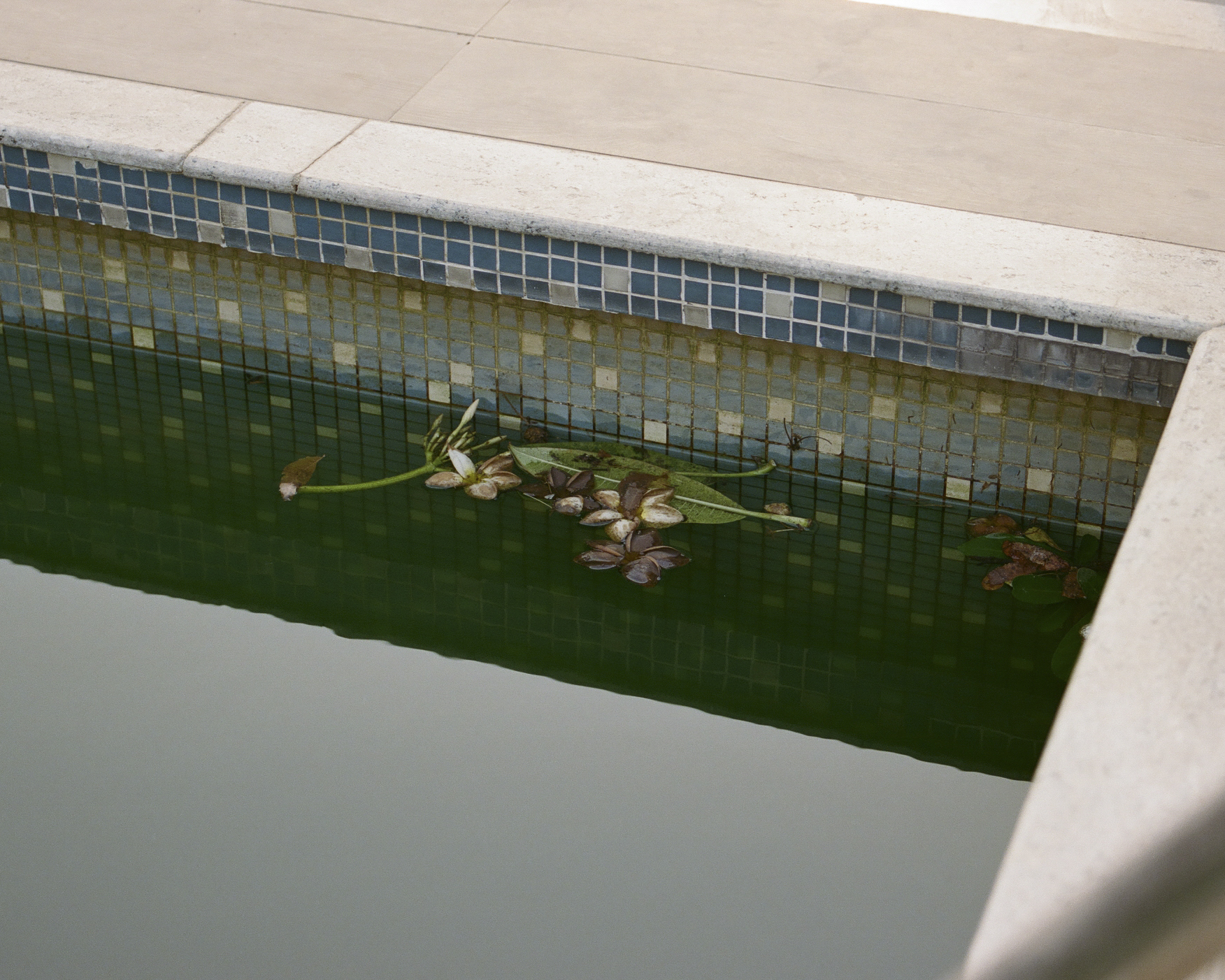
In this wallet there are twelve images selected from the photo shoot we held on January 12th. Each photograph is imbued, in equal parts, with feelings of nostalgia, melancholy and reverence. The spaces we shot in are deeply personal to us, and we are grateful to have had the privilege to memorialise Fairwinds in its final state, a home so beautiful and that has grounded our family for so many years.
It felt particularly weird to stand in grandma's closet: I remember helping her sort through her mountainous shoe collection when I was little and feeling like the space was never ending, and yet we stood in it empty, and walked in from the balcony because one wall was already broken down, instead of through her bedroom and up the little stairs which we would typically have done. In almost every image, the memories we have of the room are overflowing with people bursting with laughter. It was strange to have them documented in a near ruinous state.
Yet at the same time, this set of images feels fitting, in the way that a house that becomes a home turns into a living thing, and holds in it the memories of our life cycle as well as its own. It morphs with us as we grow, holding traces of laughter in its walls, our fingerprints, our tears… Perhaps that is the quiet promise of a home: that even when its walls crumble, its memory insists on living somewhere else: in photographs, in fabrics folded away, in old and new memories which are continually created, up until the very end of the home's existence, and then beyond it.